Universal Design at the Curb: Small Details, Safer Journeys
Step to the edge of the sidewalk with fresh eyes as we explore universal design on the curb — small-scale accessibility features for aging and disabled pedestrians. From curb ramps and tactile warnings to audible signals and refuge islands, discover how modest interventions restore independence, dignity, and delight. Share your corner stories, photos, and questions to help shape kinder streets everywhere.
Curbside Confidence: Edges, Slopes, and Space That Welcome
Little geometry choices at the corner decide whether a trip feels possible or frightening. Gentle ramp slopes, generous landings, and clear width keep canes straight, wheels stable, and steps predictable. We look at best practices drawn from field audits, ADA guidance, and hard-won neighborhood lessons that change daily routines for the better.
The 1:12 Reality Check
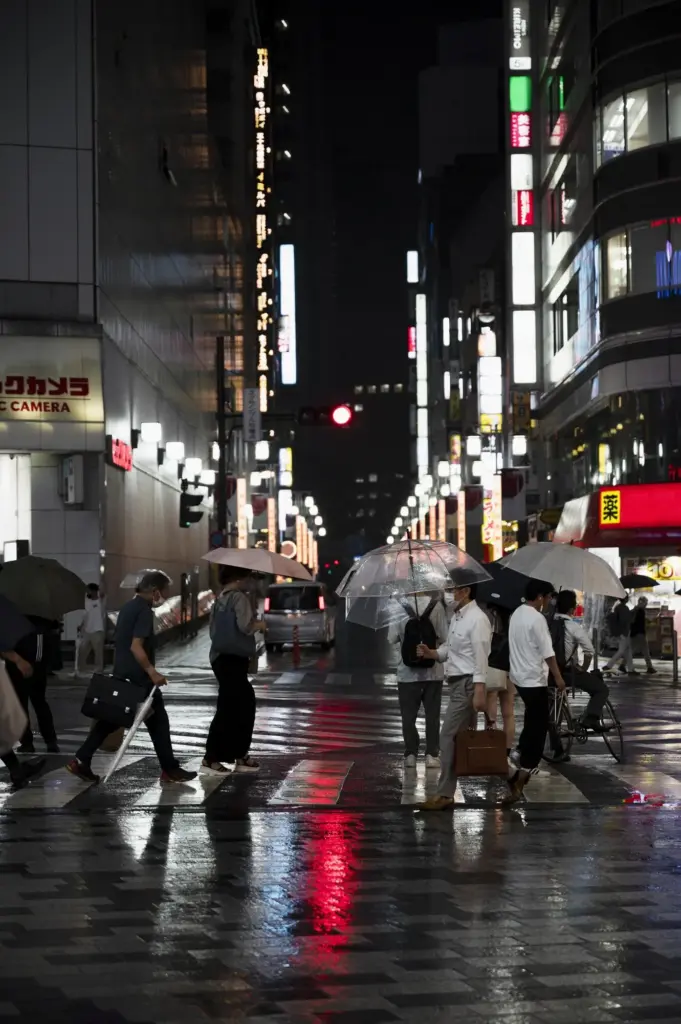
A ramp that meets the 1:12 maximum slope feels dramatically different to tired knees, powered chairs, and parents pushing strollers. Add level landings, smooth flares, and clear sightlines, and every crossing becomes calmer. Rolled curbs are not shortcuts; they often hide puddles, ice, and broken edges that disrupt balance.

Turning Room Matters
Wheelchairs, walkers, and delivery carts need space that paper plans often ignore. Provide a five‑foot turning circle or an equivalent T‑shaped space at corners and landings so people can pause, reorient, and proceed without scraping knuckles or drifting into traffic while making delicate maneuvers under stress.
Signals You Can Trust: Sound, Light, and Reach
Accessible Pedestrian Signals, Done Right
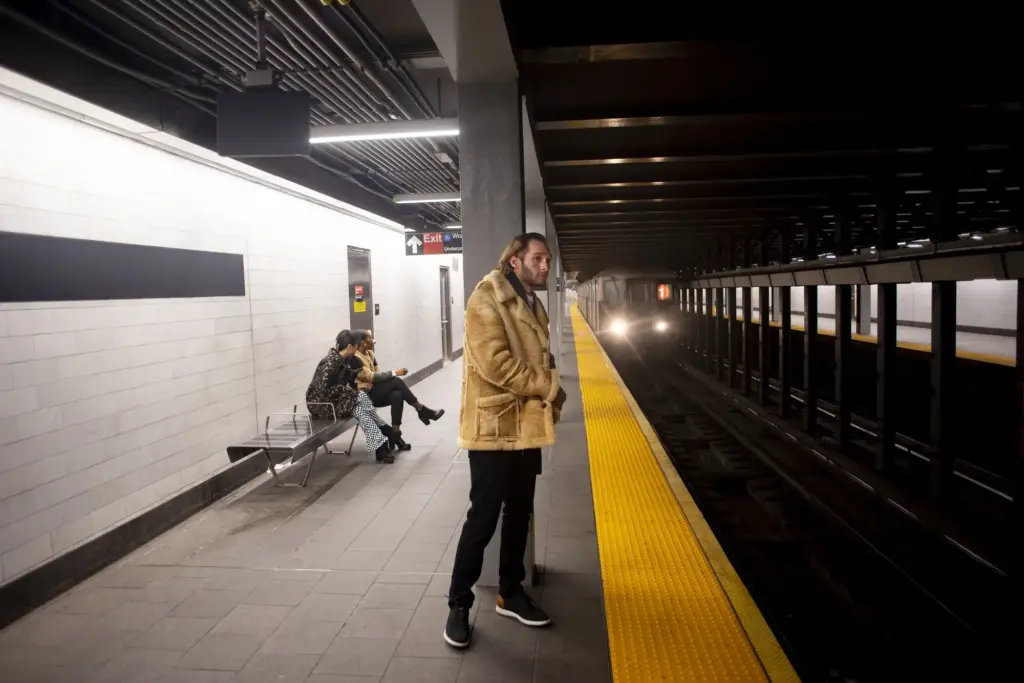
Good devices speak clearly without shouting. Pair a gentle locator tone with a tactile arrow aligned to the crosswalk, and include a vibrating walk indication for people who cannot hear. Keep push buttons on the same pole as the speaker to avoid confusion and wandering search paths.

Timing That Reduces Stress
Older pedestrians often move slower than assumptions baked into signal timing. Use walk speeds closer to one meter per second, add a leading pedestrian interval, and give adequate flashing clearance so people are not stranded mid‑block. Clear, predictable phases replace racing hearts with measured, confident steps and steady breathing.

Buttons Within Easy Reach
Mounting height and placement matter when fingers ache or shoulders refuse to lift high. Position actuators about at wheelchair-friendly height, within a wide clear path, and near the curb ramp. Short presses should always work, while press-and-hold features can announce street names, directions, and remaining time calmly.
Tactile Clarity Underfoot: Patterns, Contrast, and Grip
Under a cane tip or shuffling step, pavement speaks a language of texture and tone. Thoughtful detectable warnings and directional cues guide travelers to safe alignments, while slip-resistant surfaces prevent panic in rain or snow. High-contrast colors improve detection for low vision without overwhelming historic districts or seasonal palettes.

Refuge You Can Actually Use
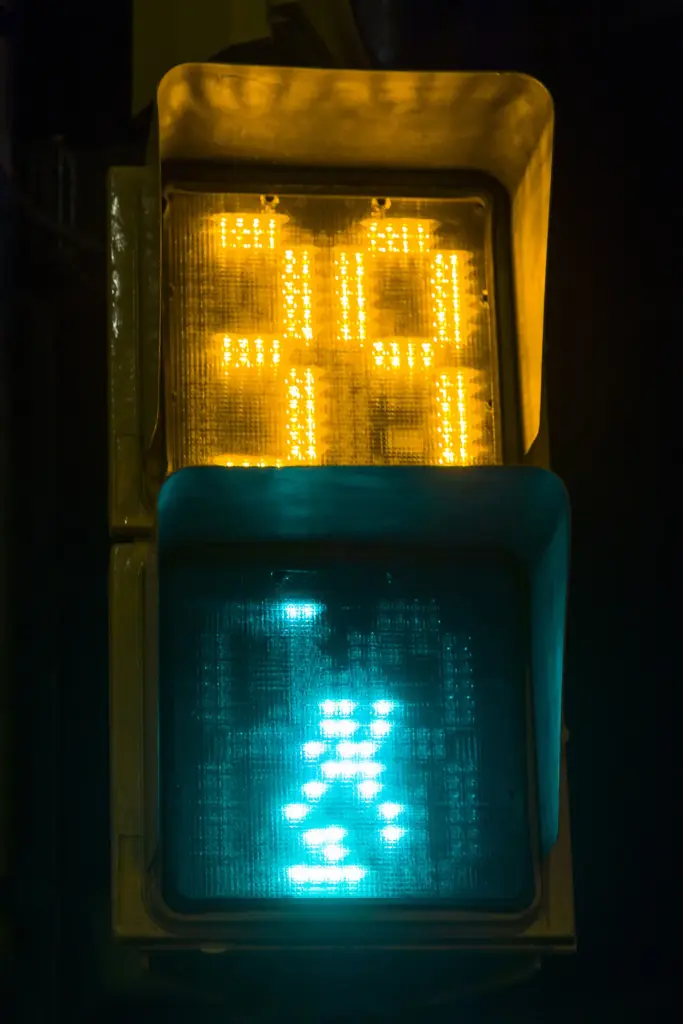
A refuge that fits a mobility scooter, stroller, and service animal side by side changes everything. Provide generous width, a level surface, and detectable warnings at both edges. Aligned tactile cues point travelers in the correct direction, preventing confusing diagonals that strand people under stress between fast streams of traffic.
Curb Extensions That Reveal People
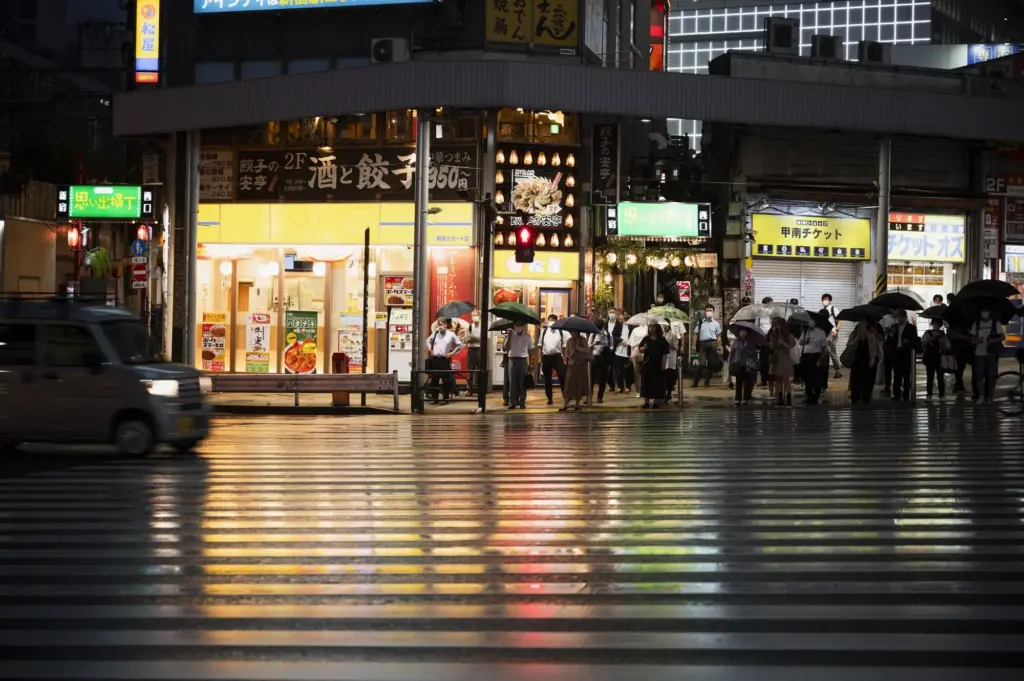
By projecting the sidewalk into the parking lane, curb extensions reduce crossing distance and expand sightlines. Drivers see people earlier, turning speeds drop, and stormwater planters can add beauty. Coordinate with plow routes and bus stops so bulbs remain assets in winter rather than barriers of compacted snow.
Raised Crosswalks and Tables
Lifting the crosswalk to sidewalk level sends a simple message: people first. Drivers feel the ramp and slow, while wheels roll smoothly across. Pair this with clear markings, gentle transitions for fire equipment, and drainage details that do not pool at the edges after storms or spring thaws.
Snow Plans That Respect Pedestrians
Windrows at corners can feel like fortress walls to someone using a cane or chair. Prioritize curb ramps, bus stops, and tactile fields in plow plans, and budget for follow‑up clearing after heavy storms. Partnerships with businesses and residents can keep corners open when crews rotate elsewhere.
Detect, Report, Repair
Small cracks, loose tiles, and broken speakers can undo years of progress. Encourage on‑street audits with older adults and disabled volunteers, and make reporting easy through phone lines, QR codes, and open data maps. Closing the loop publicly demonstrates accountability and invites more helpful eyes to care for details.
Materials That Survive
Choose components with replaceable parts and proven lifespans, from UV‑stable tactile tiles to sealed speakers and corrosion‑resistant fasteners. Life‑cycle thinking beats bargain hunting when budgets are tight. When failures happen, document causes so the next installation learns, improves, and stretches public dollars farther without sacrificing safety or dignity.
Lived Experience as Evidence
When a participant explains why a glossy ramp feels terrifying after rain, that narrative becomes design data. Record videos, track heart rates or delays if participants consent, and listen for subtle clues. Human metrics reveal friction that spreadsheets ignore, guiding priorities toward dignity, comfort, and true independence.
Pop‑Up Trials That Teach
Quick materials like cones, tape, chalk, and planter boxes can simulate a curb extension, refuge, or protected approach for a weekend. Observe turning speeds, near misses, and smiles. Honest debriefs with participants translate temporary successes into permanent designs that retain the quiet, calm moments people valued most.
Measuring What Matters
Celebrate improvements with evidence that resonates. Track yielding rates, crossing times, and the share of people who feel comfortable walking alone after dusk. Add before‑after videos and short interviews. When results are shared widely, coalitions grow, funding follows, and more corners adopt the accessible habits that keep communities moving.
All Rights Reserved.